Did you know that nearly a quarter of all Government expenditure is spent on pensions and benefits – with over £56bn spent on disability and housing benefits alone?
The challenge is to make sure that people who can’t work get the support they need, while those who can work support themselves as much as possible.
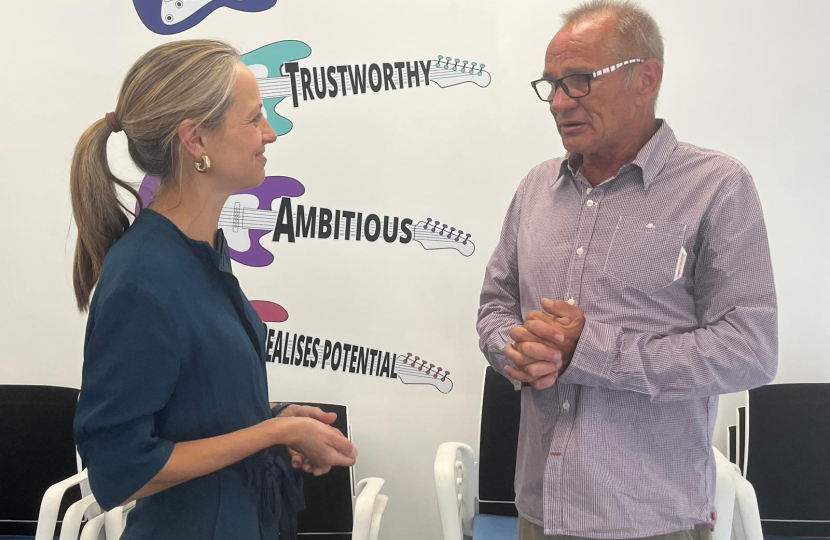
One of the good things about our political system is that I often hear from my own constituents about their experiences of the benefits system and the challenges of employment. A few weeks ago, I decided to dig deeper and asked Golding Homes to help me out by bringing together a group of their tenants who receive universal credit or PIP, or both.
I know well the sort of struggles people go through, and this group was no exception. One of the group had never learnt to read or write, another had suffered an injury at work and ended up homeless.
One man who came to the meeting in his wheelchair said he’d been told at a job interview,
“We can’t employ you, our insurance would go through the roof. What would I do if there was a fire? Throw you out the window?”
Many people asked if the Personal Independence Payment (PIP) forms could be simplified as they struggle with the length and complexity of them – and that is something I will be looking into.
Several in the group had been declared ‘unfit to work’ by their doctor and took that judgement as final. It saddened me to hear how they wanted to work and contribute to society but felt they had been told they were on the scrapheap.
I believe that everyone who can work, should work. This is not only better for the individual, it is not up to hardworking taxpayers to fund the lives of people who could be supporting themselves.
From my recent discussion it was clear that the system is not focussing enough on what people can do and supporting them into work. In fact, it’s too often doing the opposite.
If you have views on the benefits system and would like to take part in the Conservative party’s Policy Renewal Programme, please contribute your ideas here: